
Digital Marketing Services: What They Include, What They Cost, and How to Choose
Digital marketing services are the paid and organic activities a business uses to get found online, win trust, and turn visitors into customers. That covers search engine optimization, paid ads, social media, email, content, and the tracking that ties it all together. If you’ve ever wondered where to spend your first marketing dollar, or whether your current agency is actually earning its fee, this guide is for you.
Let’s keep it practical. You’ll see what each service does, how pricing usually works, how to judge an agency before signing anything, and which mistakes cost businesses the most money. Whether you run a local shop or a growing online brand, the goal is the same: spend smarter and know what you’re getting.
What Are Digital Marketing Services?
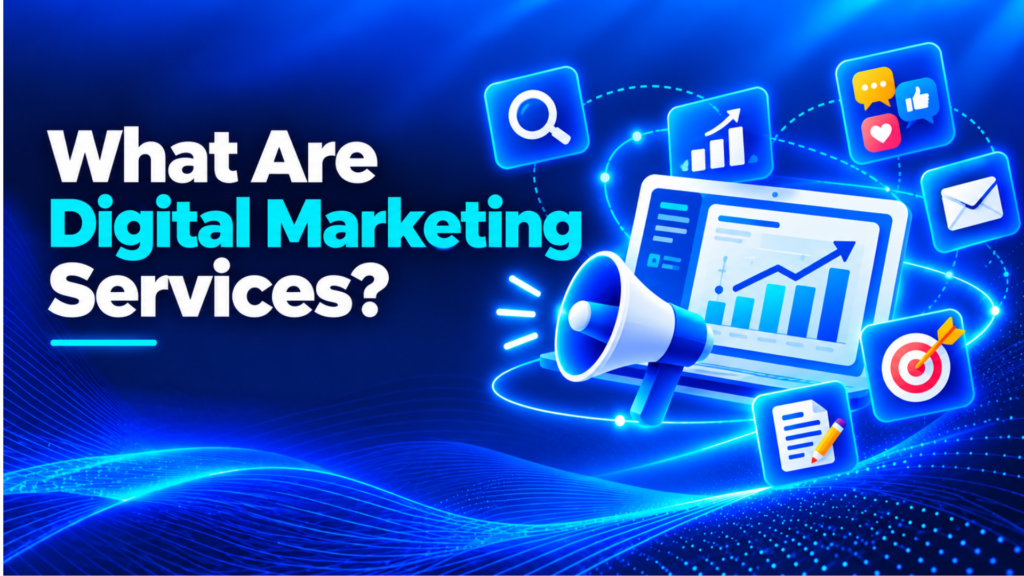
Think of digital marketing services as a toolkit, not a single product. Each tool does a different job. SEO helps people find you when they search. Paid ads put you in front of buyers right now. Social media builds familiarity. Email brings past customers back. Content gives all of them something worth clicking. A good provider picks the right mix for your goals instead of selling everything at once.
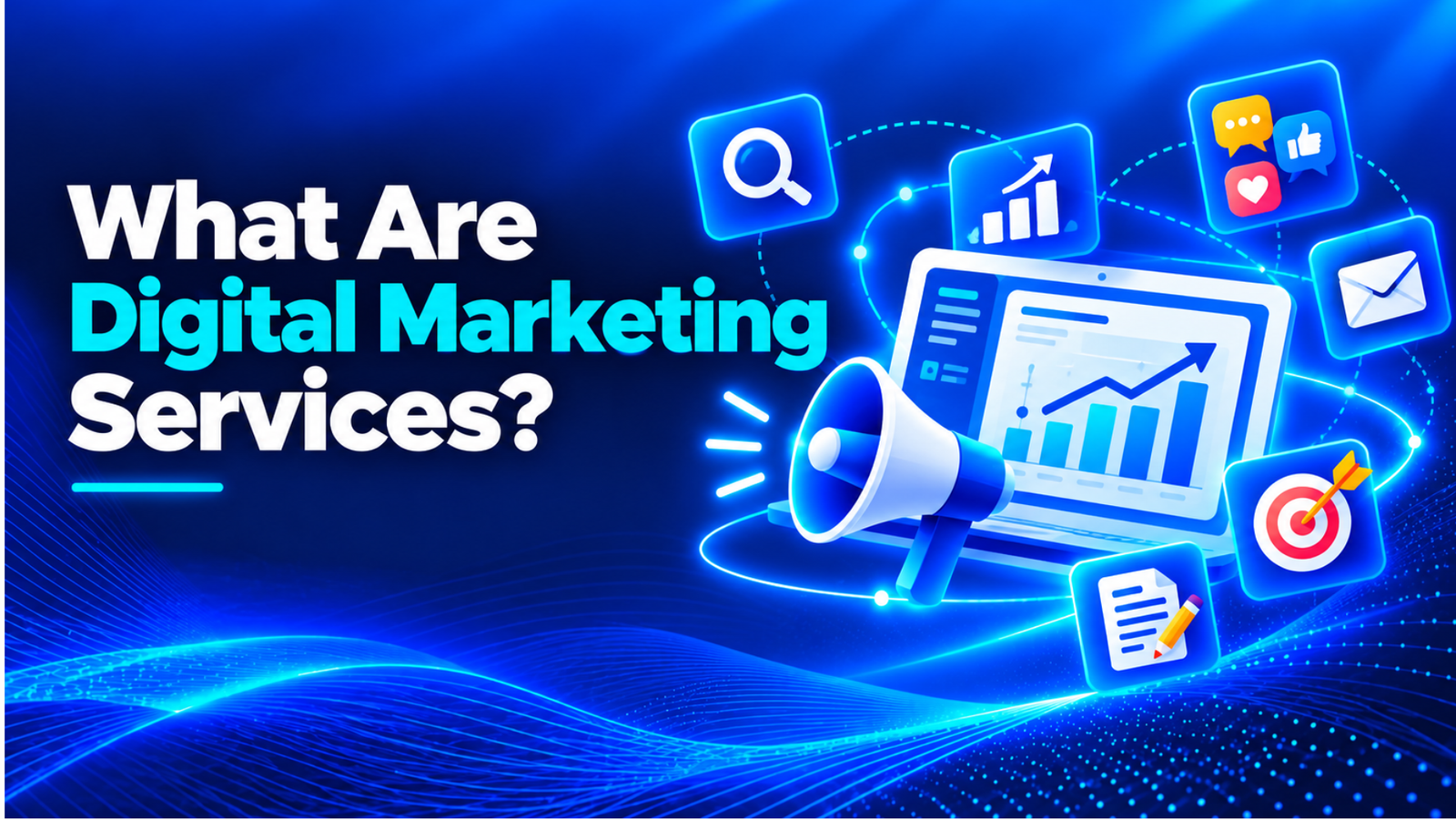
What separates real services from busywork is measurement. Anyone can post on social media or send a newsletter. The value comes from knowing which activity produced a call, a booking, or a sale. When a provider can’t connect their work to business results, you’re paying for effort, not outcomes, and that’s worth questioning early.
Core Digital Marketing Services Explained
Search engine optimization is the long game. It improves your site’s structure, content, and authority so you appear in organic results without paying per click. Results take months, but traffic keeps arriving after the work is done. Pay-per-click advertising is the opposite: fast, controllable, and it stops the moment your budget does. Many businesses use both, with ads for quick wins while SEO matures.
Social media marketing builds an audience and keeps your brand visible, while content marketing creates the articles, videos, and guides that earn trust. Email marketing quietly produces some of the best returns because you’re speaking to people who already know you. Web design and conversion work sit underneath everything, since traffic that lands on a confusing site simply leaves.
Why Businesses Invest in Digital Marketing Services
Customers research before they buy, and most of that research happens online. If your business doesn’t appear when someone searches for what you sell, a competitor gets that conversation. Digital marketing services close that gap by putting you where attention already is, and they do it with a precision that older channels like print or radio rarely matched.
The other reason is accountability. You can see how many people saw an ad, how many clicked, and how many bought. That visibility lets you cut what doesn’t work and double down on what does. For small teams without a marketing department, outsourcing also brings specialists in a single package, which is usually cheaper than hiring each role in-house.
The Role of Digital Marketing Analytics
Numbers turn opinions into decisions. Digital marketing analytics means tracking how people find your site, what they do there, and which actions lead to revenue. Tools like Google Analytics show traffic sources, popular pages, and conversion paths, while Search Console shows which searches bring people to you. Without this data, every strategy is a guess dressed up as confidence.
Good reporting stays simple. You should be able to read a monthly report and answer three questions: what happened, why it happened, and what happens next. Be wary of reports stuffed with vanity metrics like impressions and follower counts that never mention leads or sales. Ask your provider to set up goal tracking from day one, so results are measured against something real. Google’s Analytics Help Center is a solid place to learn the basics yourself.
Branding and the Digital Branding Agency Question
Marketing brings people in, but branding decides whether they remember you. Your logo, tone of voice, visual style, and the promises you make all shape how customers feel. A digital branding agency focuses on that foundation: positioning, messaging, visual identity, and consistency across your website, social profiles, and ads.
Should you hire a branding specialist or a full-service provider? If your identity is unclear or outdated, start with branding, because ads and content built on a weak foundation waste money. If your brand is already solid and you simply need more visibility, skip straight to channels like search and paid media. Many full-service teams handle both, which keeps the message consistent from first impression to final sale.
How Digital Marketing Services Are Priced
Pricing confuses people because there’s no standard. Providers charge in different ways, and each model suits a different situation. Understanding them before you talk to anyone keeps you from comparing numbers that aren’t comparable.
| Pricing model | How it works | Best for |
|---|---|---|
| Monthly retainer | Fixed fee for ongoing work | SEO, content, social, ongoing ads |
| Project-based | One price for a defined deliverable | Website builds, branding, audits |
| Hourly | Pay for time spent | Consulting and small fixes |
| Performance-based | Fee tied to results | Lead generation with clear metrics |
Ad spend is separate from agency fees. If you run paid campaigns, you pay the platform for clicks, and the agency charges for managing them. Ask for a written scope listing exactly what’s included each month. Vague proposals are where surprise costs hide. Cheaper isn’t automatically worse, but very low quotes usually mean templated work and little attention to your business.
How to Choose the Right Digital Marketing Services Provider
Start with fit, not fame. A large agency may ignore a small account, while a tiny shop might lack the depth you need. Look for experience in your industry or a similar one, and ask to see real results with real numbers. If possible, speak with a current client and ask how communication and reporting actually work.
Pay attention to how they sell. A good provider asks questions about your customers, margins, and goals before proposing anything. A weak one sends a generic package within a day. Ask who will actually work on your account, how often you’ll meet, and what happens if results fall short. Clear answers to those three questions say a lot about how the relationship will go. If you’d like to see how a focused team approaches this, UpscoreTech offers a free conversation about scope before any commitment.
Red Flags to Watch For
In digital marketing services, guaranteed rankings are the classic warning sign. Nobody controls Google, and anyone promising a number-one position in a fixed time is either lying or planning shortcuts that can get your site penalized. Be equally careful with providers who won’t explain their methods, refuse to share account access, or hold your ad accounts and website hostage under their own logins.
Long lock-in contracts deserve scrutiny too. A confident provider doesn’t need to trap you. Monthly or quarterly terms with a clear exit are fairer, and they keep the provider motivated to perform. Finally, watch for reports that celebrate activity without outcomes. If you see pages of charts but no mention of leads, calls, or revenue, ask pointed questions.
Digital Marketing Services for Small Businesses
Small businesses face a different problem than big brands: limited money and limited time. The best digital marketing services for a small team are the ones that produce leads quickly without needing a huge budget. For most local companies, that means a well-built Google Business Profile, a fast website with clear contact options, and reviews that make strangers feel safe calling you.
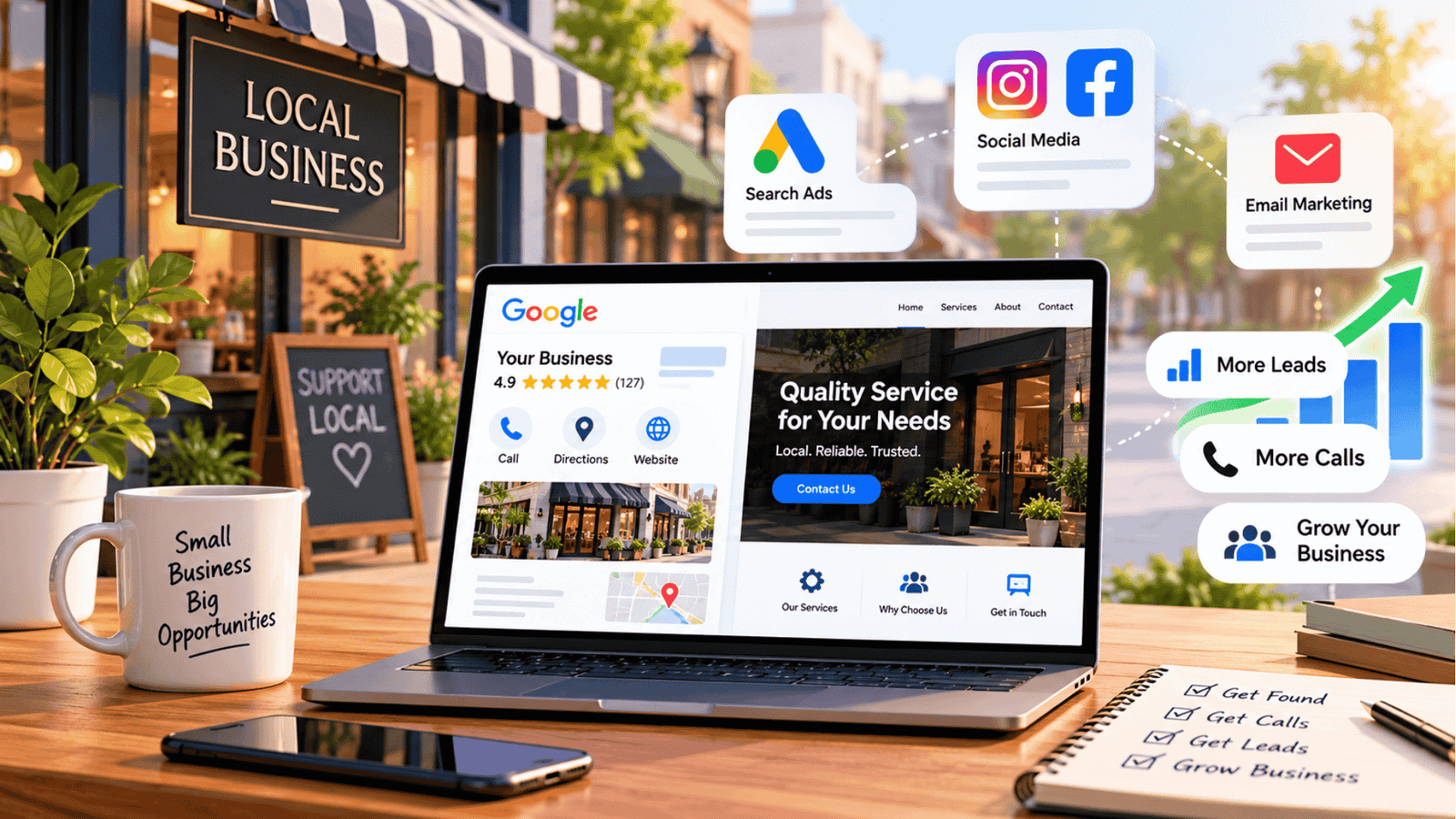
From there, add one channel at a time. A plumber might run small search ads for emergency calls, while a boutique might lean on social posts and email offers. The mistake is spreading a tiny budget across six platforms. Pick the channel where your customers already spend time, do it well for a quarter, and expand only when the numbers justify it.
Agency or In-House: Which Makes Sense?
Hiring in-house gives you someone who lives and breathes your brand, but one person rarely covers design, writing, ads, analytics, and technical SEO. Building a full team is expensive, and salaries are only part of it: tools, training, and management time add up. An agency spreads those costs across many clients, so you get broader skills for a single predictable fee.
The tradeoff is attention. An agency juggles several accounts, while an employee focuses on one. Many growing businesses land on a hybrid: an in-house marketer handles daily tasks and customer knowledge, while an outside team supplies specialist digital marketing services such as technical SEO, paid media, or analytics. Match the setup to your size, budget, and how fast you need to move.
Measuring Return on Investment
Return on investment is the point of the whole exercise. Start by deciding what a lead or sale is worth to you, then compare it with what you spend to get one. If an average customer brings in a thousand dollars and costs a hundred to acquire, the math is healthy. If you can’t calculate either number, fix that before increasing your budget.
Review results monthly, but judge trends quarterly, because short-term swings can mislead. Compare channels against each other and ask your provider to explain any gaps. Well-run digital marketing services make this conversation easy, since they track conversions, cost per lead, and revenue rather than hiding behind impressions. The goal is simple: spend more where the return is clear, and stop funding what isn’t working.
A Simple Process for Getting Started
Before buying digital marketing services, begin with a goal you can measure, such as thirty new leads a month or a specific revenue target from online orders. Next, audit where you stand: your website’s performance, current rankings, existing ad accounts, and social presence. This baseline shows what’s working and what needs repair before you spend on new activity.
Then pick two or three priorities rather than doing everything. A local service business might choose search optimization, a Google Business Profile, and a simple email follow-up. An online store might focus on paid shopping ads, email flows, and conversion improvements. Run those for ninety days, review results honestly, and adjust.
Frequently Asked Questions
What do digital marketing services include?
They typically include search engine optimization, pay-per-click advertising, social media management, content creation, email marketing, web design, and analytics. A good provider selects the combination that fits your goals and budget rather than selling every service at once.
How much do digital marketing services cost?
Costs vary widely based on scope, industry, and provider experience. Common models include monthly retainers, one-time project fees, hourly rates, and performance-based pricing. Ad spend is usually separate from management fees, so always ask for a written breakdown before committing.
How long does it take to see results?
Paid advertising can produce traffic within days, while SEO and content usually need three to six months to show meaningful gains. Email marketing and conversion improvements often fall somewhere in between. Anyone promising instant, guaranteed rankings should be treated with caution.
Should I hire an agency or build an in-house team?
Small and mid-sized businesses often buy digital marketing services from an agency first because it brings several specialists for one predictable fee. As spending and complexity grow, some companies add in-house staff for day-to-day work while keeping an agency for specialized tasks.
Final Thoughts
Digital marketing services work best when they’re tied to clear goals, honest reporting, and a provider who treats your budget like their own. Start with one measurable target, choose a few channels instead of all of them, and review results every month. That rhythm keeps spending sensible and decisions grounded in evidence.
If you’re comparing providers right now, write down your goal, your monthly budget, and the three questions you most want answered. Bring that list to every conversation. The right partner will welcome it, and the wrong one will quickly show you why they aren’t a fit.